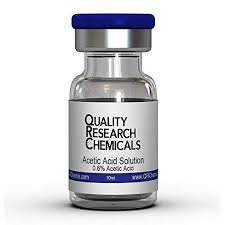
Description
Buy 10ml Acetic Acid 0.6%: Complete Guide to Safe Use, Storage, and Bac Water Applications
Acetic acid 0.6% in a 10ml sterile solution is widely used in laboratories, medical settings, and research environments. Many professionals also compare it with bac water (bacteriostatic water) when discussing sterile solutions for preparation, dilution, and cleaning protocols. This guide explains what it is, how it’s used, safety practices, and how to choose quality sources.
What Is 10ml Acetic Acid 0.6%?
Acetic acid is a diluted form of the organic compound responsible for the acidic taste and antimicrobial properties of vinegar. In sterile 0.6% concentration, it becomes suitable for controlled medical and laboratory applications.
Key characteristics:
- Sterile and controlled dilution
- Mild antimicrobial properties
- Used for cleaning, testing, and dilution procedures
- Often discussed alongside bac water in sterile solution contexts
Healthcare guidance from organizations such as the NHS emphasizes proper sterile handling whenever using laboratory-grade liquids.
H2: Bac Water vs 10ml Acetic Acid 0.6%
Understanding the difference between these two sterile solutions is essential.
H3: What Is Bac Water?
Bacteriostatic water is sterile water containing a small amount of benzyl alcohol to prevent bacterial growth. It is commonly used for:
- Reconstitution of medications
- Dilution of compounds
- Laboratory research applications
H3: How Acetic Acid Differs
While bac water prevents bacterial growth, acetic acid:
- Helps maintain acidic pH environments
- Provides mild antimicrobial cleaning support
- Is commonly used in lab testing and specimen preparation
Both products play different roles but often appear in the same sterile workflow discussions.
H2: Common Uses of 10ml Acetic Acid 0.6%
H3: 1. Laboratory Research and Testing
Acetic acid is frequently used in:
- Microbiology testing
- Sample preparation
- pH balancing
- Cleaning laboratory surfaces
Standards from the World Health Organization highlight sterile environments as critical to reliable lab outcomes.
H3: 2. Clinical and Medical Environments
Medical professionals use diluted acetic acid solutions in:
- Sterile cleaning processes
- Controlled clinical procedures
- Laboratory specimen handling
H3: 3. Equipment Cleaning and Preparation
Mild acetic acid solutions help remove:
- Mineral buildup
- Surface contaminants
- Bacterial residue in non-invasive equipment
H2: Why Professionals Pair Bac Water With Acetic Acid
H3: Sterility and Safety Workflow
Many sterile workflows require multiple solutions:
- Bac water → dilution and reconstitution
- Acetic acid → cleaning and pH balancing
Together they help maintain contamination-free environments.
H4: Benefits of Using Both
- Supports sterile preparation processes
- Improves cleaning efficiency
- Enhances lab safety compliance
- Reduces contamination risks
H2: Safety Guidelines for Handling Acetic Acid 0.6%
Even mild solutions must be handled responsibly.
H3: Storage Tips
- Store in cool, dry environments
- Keep away from direct sunlight
- Always seal containers tightly
- Label clearly for laboratory use
Guidance from the Centers for Disease Control and Prevention stresses correct labeling of all chemical solutions.
H3: Handling Best Practices
- Use sterile gloves
- Avoid contact with eyes
- Use in ventilated environments
- Follow laboratory safety protocols
H2: Bac Water and Sterile Preparation Standards
H3: Why Sterility Matters
Sterility prevents:
- Cross contamination
- Bacterial growth
- Sample degradation
- Inaccurate research results
Regulatory agencies like the Food and Drug Administration emphasize strict sterile preparation standards for laboratories and pharmacies.
H2: How to Choose High-Quality 10ml Acetic Acid 0.6%
When sourcing sterile solutions, quality matters.
H3: Look for These Features
- Tamper-evident packaging
- Clear labeling and batch numbers
- Expiry date and storage instructions
- Sterility certification
H4: Packaging Quality Checklist
- Medical-grade vial
- Sterile seal
- Leak-proof cap
- Manufacturer documentation
Reliable packaging helps maintain sterility and ensures safety.
H2: Bac Water and Acetic Acid in Research Environments
H3: Research Applications
Scientists commonly use both solutions for:
- Cell culture preparation
- Equipment sterilization
- Laboratory cleaning protocols
- Dilution of research compounds
H4: Why Researchers Prefer Sterile Solutions
- Reduces experiment failure
- Improves reproducibility
- Meets regulatory standards
- Enhances laboratory safety
H2: Benefits of Using Small 10ml Vials
Small sterile vials offer practical advantages.
H3: Precision and Reduced Waste
- Ideal for single-use scenarios
- Easy dosing and measurement
- Lower contamination risk
- Cost-efficient storage
H4: Convenient for Professional Settings
- Portable and compact
- Easy to store and transport
- Supports sterile workflow planning
H2: Storage and Shelf Life Tips
H3: Recommended Storage Conditions
- Temperature: 15–25°C
- Avoid freezing
- Keep away from light
- Use before expiration date
H4: Signs a Solution Should Not Be Used
- Cloudiness or particles
- Damaged seal
- Missing label
- Expired vial
Proper storage ensures safety and reliability.
H2: Environmental and Safety Considerations
H3: Responsible Disposal
Never dispose of sterile solutions improperly.
Safe disposal tips:
- Follow local laboratory waste guidelines
- Do not pour large amounts into drains
- Use designated chemical disposal services
H2: Final Thoughts on Bac Water and Acetic Acid
10ml Acetic Acid 0.6% is a versatile sterile solution used across laboratories and clinical environments. When combined with bac water in sterile workflows, it supports safe preparation, cleaning, and research standards.
By choosing high-quality products, following safety protocols, and storing solutions correctly, professionals can maintain sterile environments and reliable results.
Reviews
There are no reviews yet.